

One solution to view, analyze, and improve Operation Rooms
〰️
One solution to view, analyze, and improve Operation Rooms 〰️
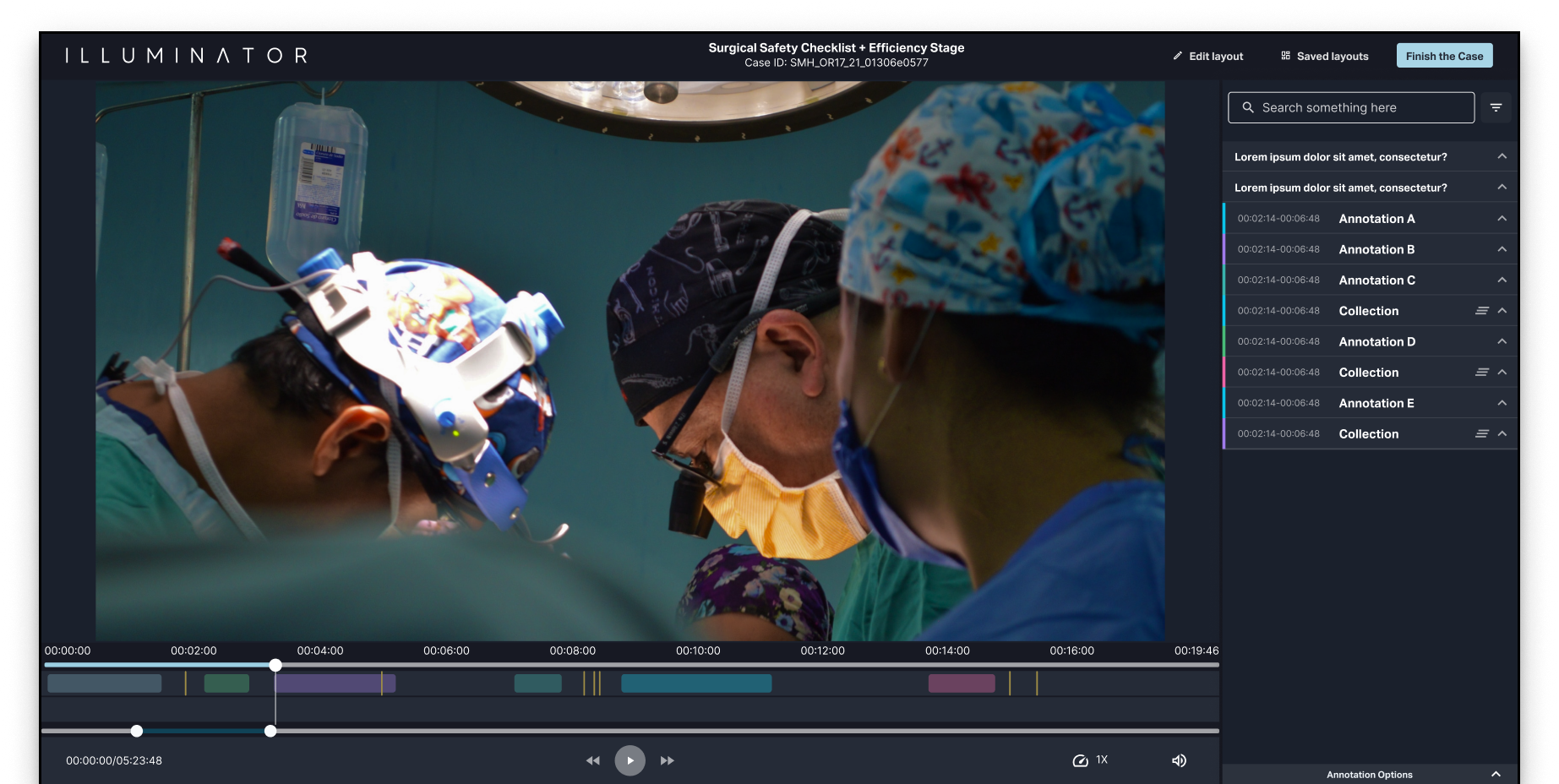
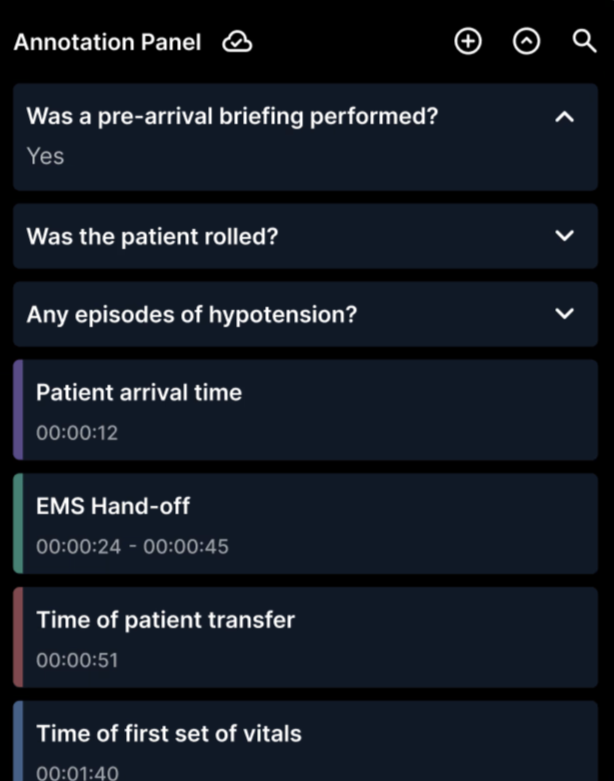
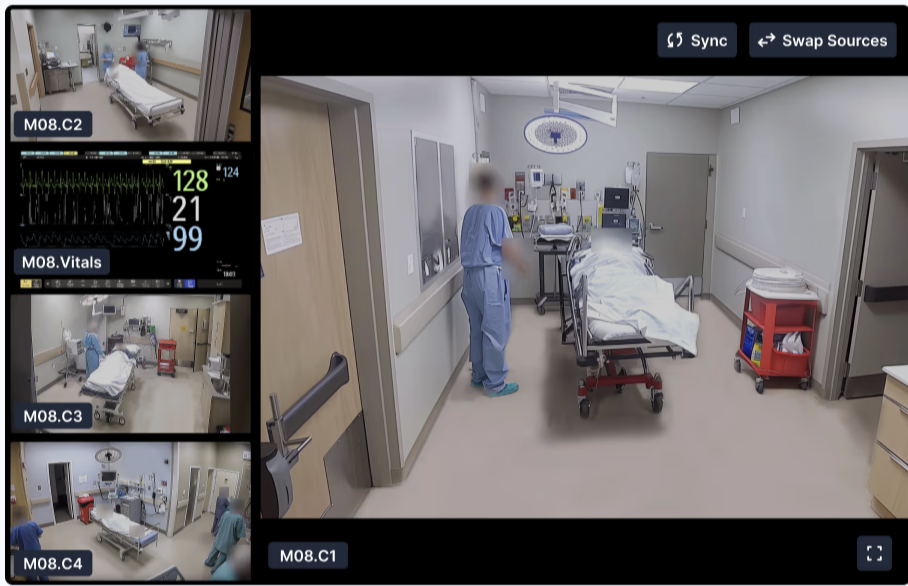
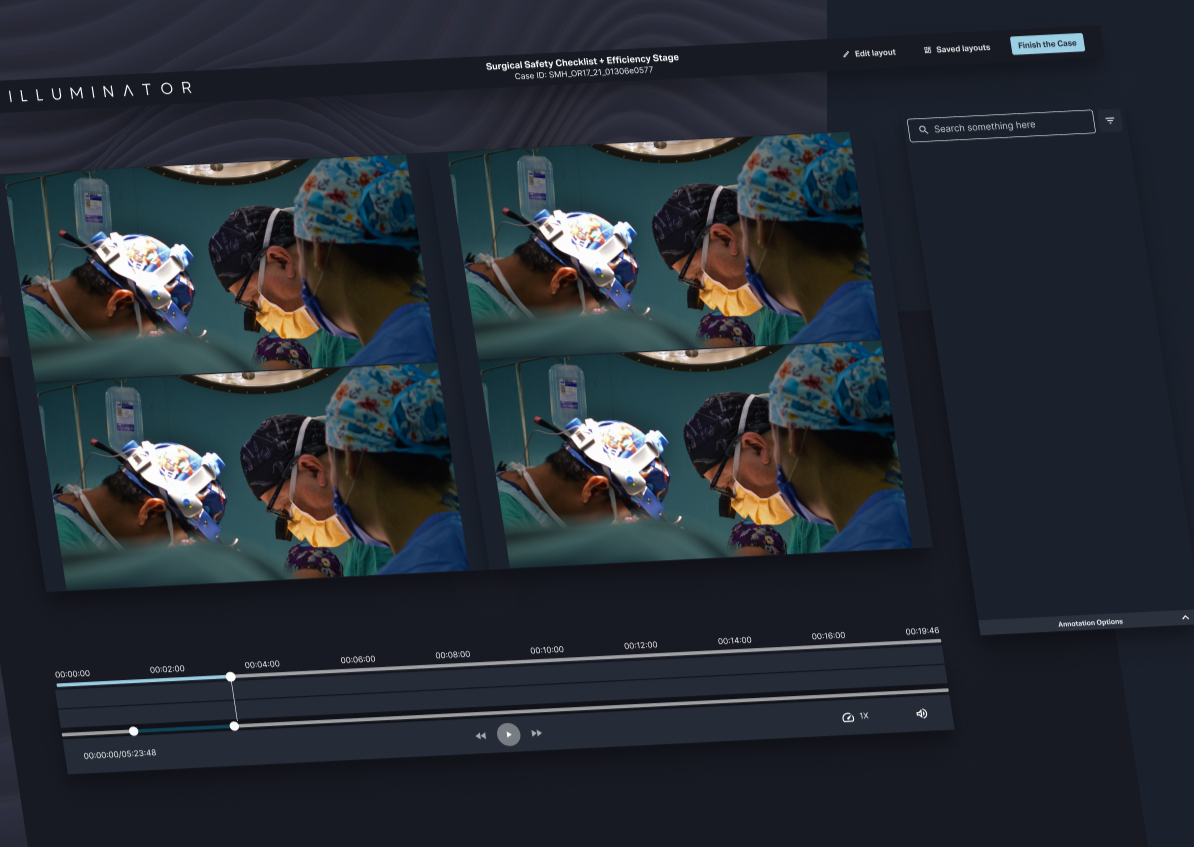
IlluminatOR, A web-based platform that transforms complex surgical recordings into structured, reviewable data to improve surgical safety and clinical insight.
About this project
Product: Web application (internal clinical analytics tool)
Users: Clinical analysts & research teams reviewing trauma procedures
Timeline: 0→1 product, 3 month from discovery to release (Nov 2022 to Feb 2023)
My Role: Sole product designer (end-to-end)
Team: 1 PM, 3 engineers, clinical stakeholders
Constraints: Medical data sensitivity, evolving requirements, technical feasibility, complex edge cases
Outcome: Shipped and later white labeled as Trauma Black Box, supporting structured trauma review workflows
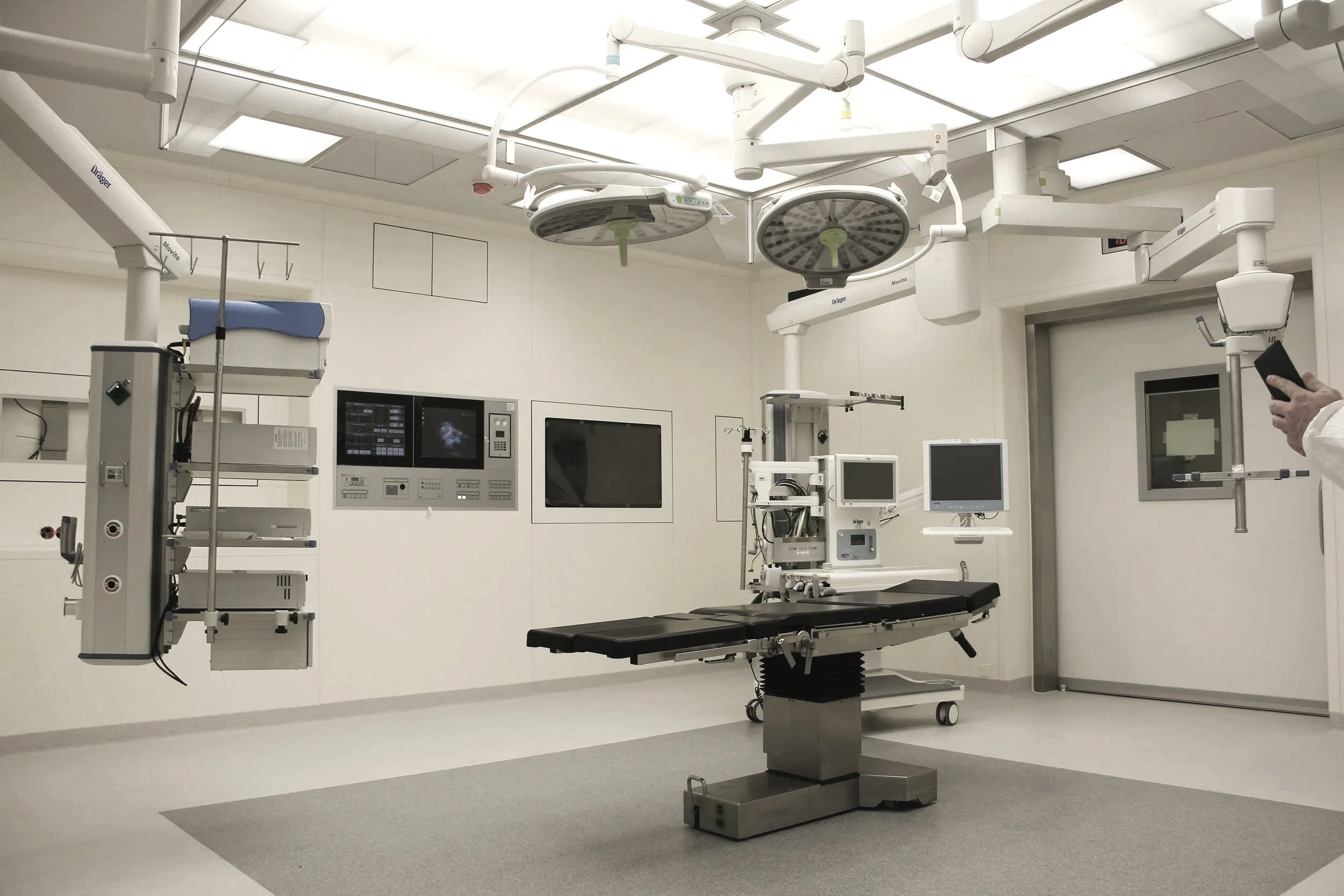
The why - The root problem
Surgical Safety Technologies’ Black Box system captures synchronized video, audio, and equipment data from the operating room, with AI flagging notable events.
But surgery is unpredictable. Critical decisions happen in fractions of a second, and automation alone can’t interpret every complex or unexpected moment.
When high-stakes events occurred, clinical experts needed a way to manually review, validate AI outputs, and extract deeper insight. At the time, no dedicated tool existed to support structured, multi-source analysis in one place.
The data was there., what was missing was a way to make it reviewable and actionable.
What — The Core Idea
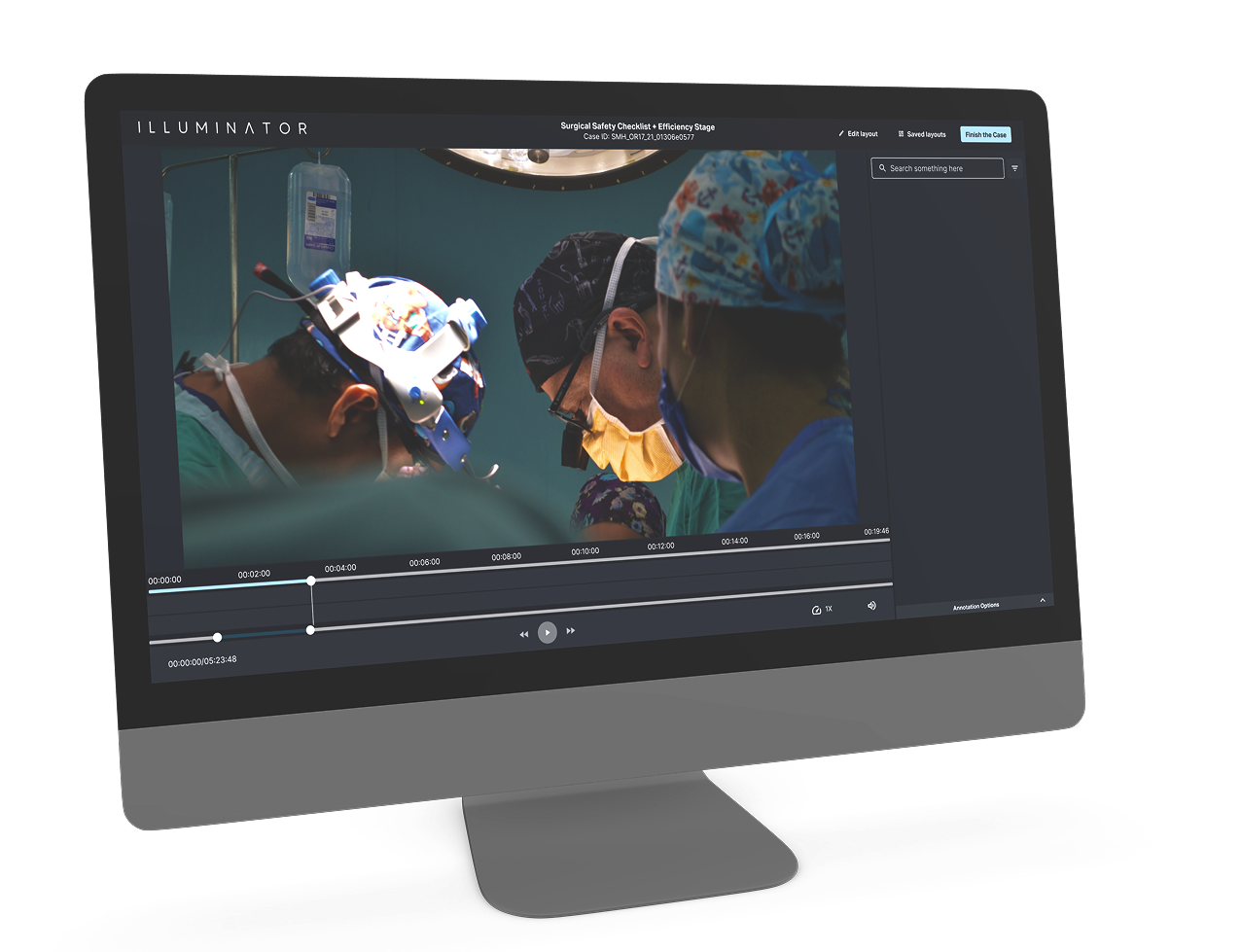
A single, unified workspace where multiple surgical data sources could be reviewed, annotated, and structured in context by clinical experts.
Flexible layout to support multi source, multi-angle, unobstructed view of high-quality audiovisual recordings
a centralized video library of all recorded and annotated resuscitations to support quality, research, and education initiatives.
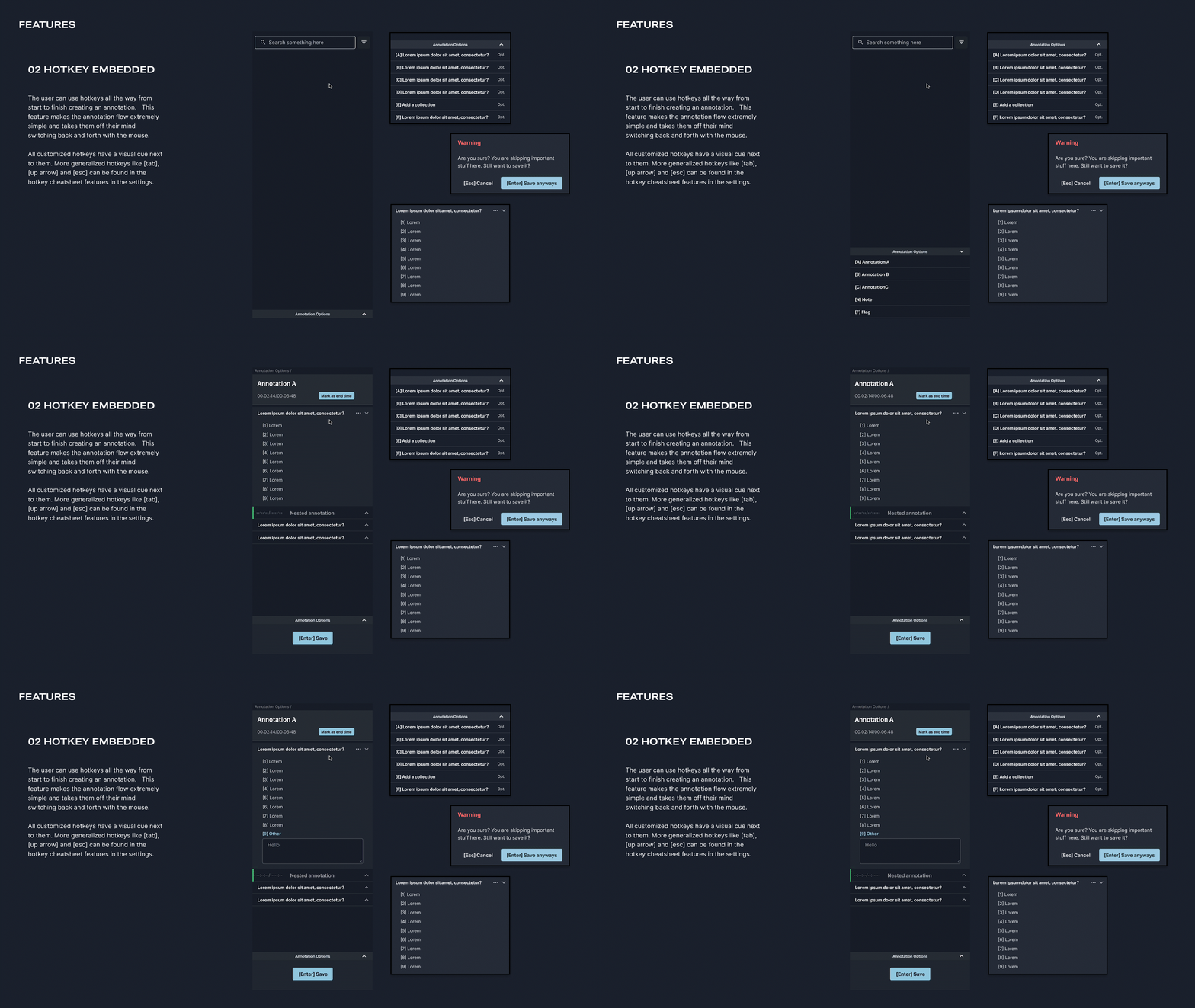
AI and manual events timeline review as the backbone
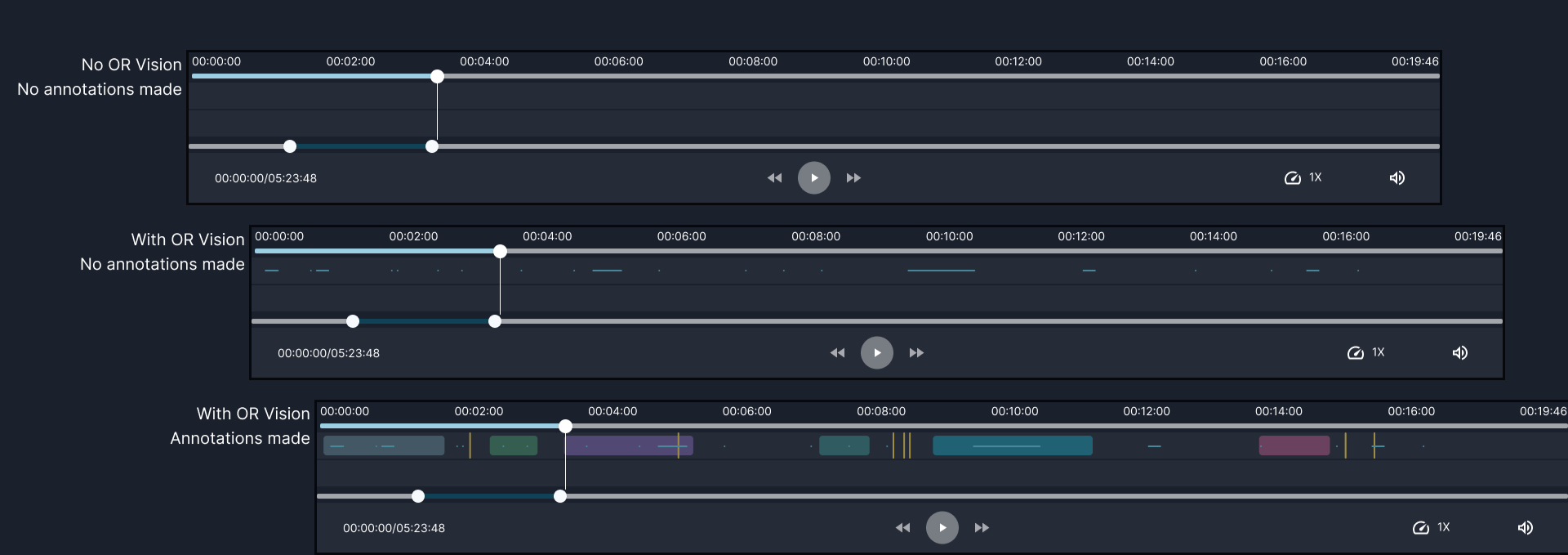
Key Decisions & Tradeoffs
Constrained by timeline and early validation goals, we chose to ship a focused V1 quickly, learn from real user behaviour in live surgical review settings, and evolve the product through iterative rollouts rather than aiming for feature completeness upfront.
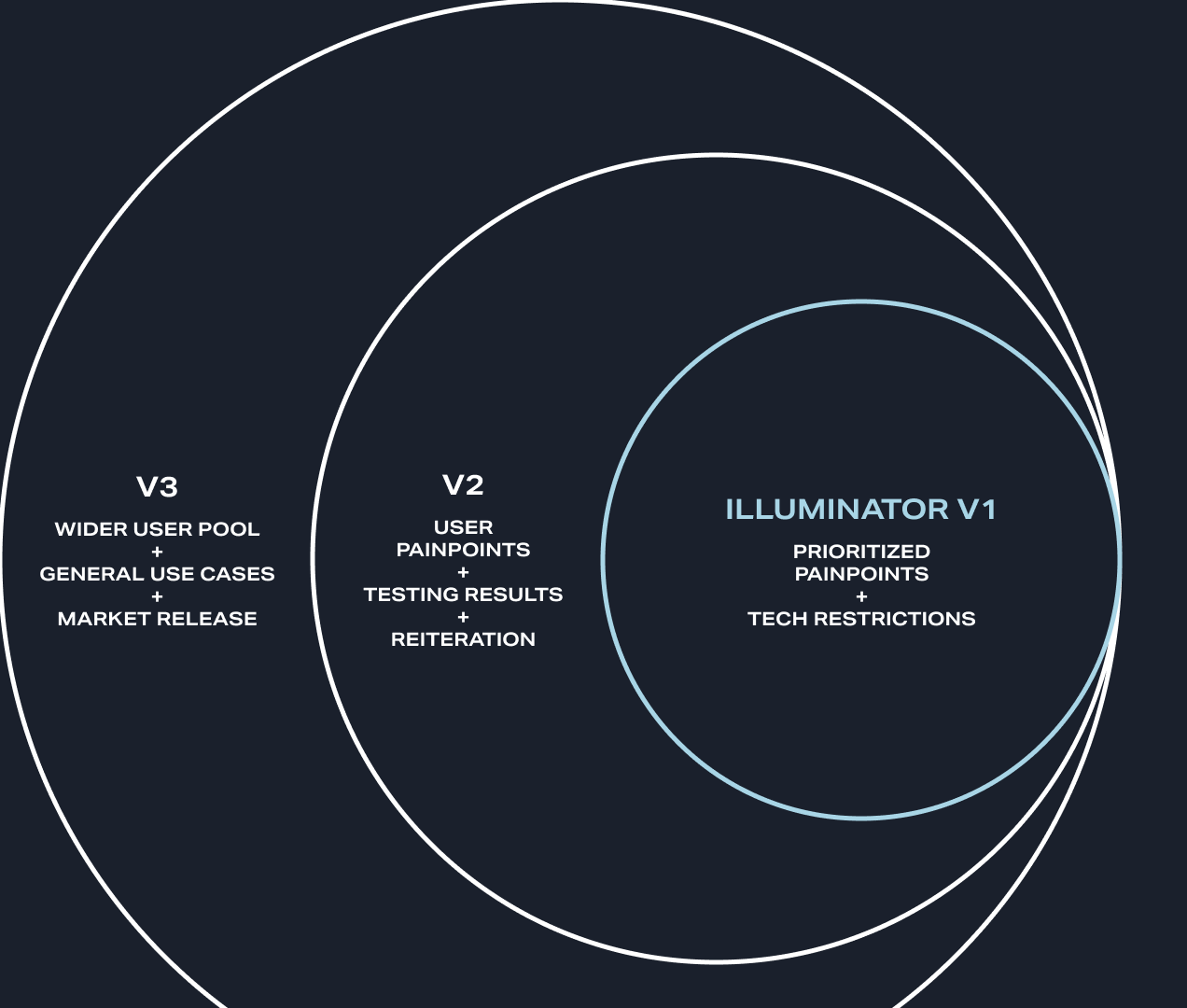
Build quick, learn quicker
The tension
This was a 0→1 product in a high-stakes clinical environment.
Stakeholders wanted robustness from day one. Engineers wanted clarity.
But we had limited real-world behavioural data on how surgeons would actually analyze complex surgical events.
The choice
We designed a focused V1 centred on:
Core video playback
Event timeline scrubbing
Manual annotation
Practical user flows ( multi payer data visualization, custom workflow configurations)
The tradeoff
We deferred:
Robust design system
Comprehensive dashboard for insights
History tracking
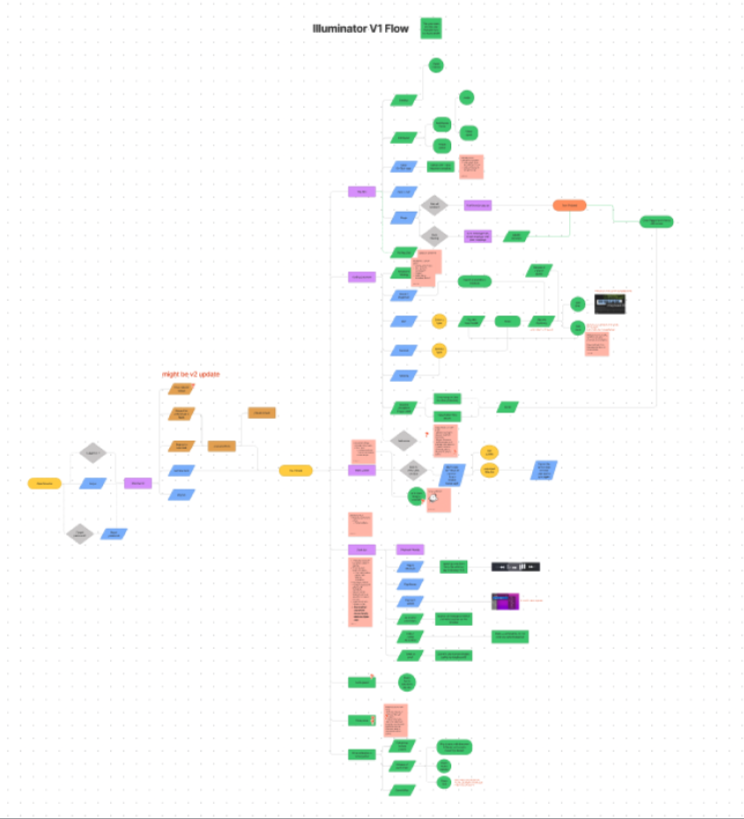
Depth Over Breadth in User Research
The tension
In healthcare products, there’s pressure to “talk to more users” for validation.
But surgical workflows are highly specialized and expertise-driven.
Five casual interviews ≠ one hour observing a real surgical review session.
The choice
We went deep instead of wide:
Shadowed expert reviewers
Mapped decision points during post-op analysis
Studied micro-interactions (pause, rewind, frame-by-frame scanning)
The tradeoff
Smaller sample size.
Slower insight cycles.
Harder to generalize early.
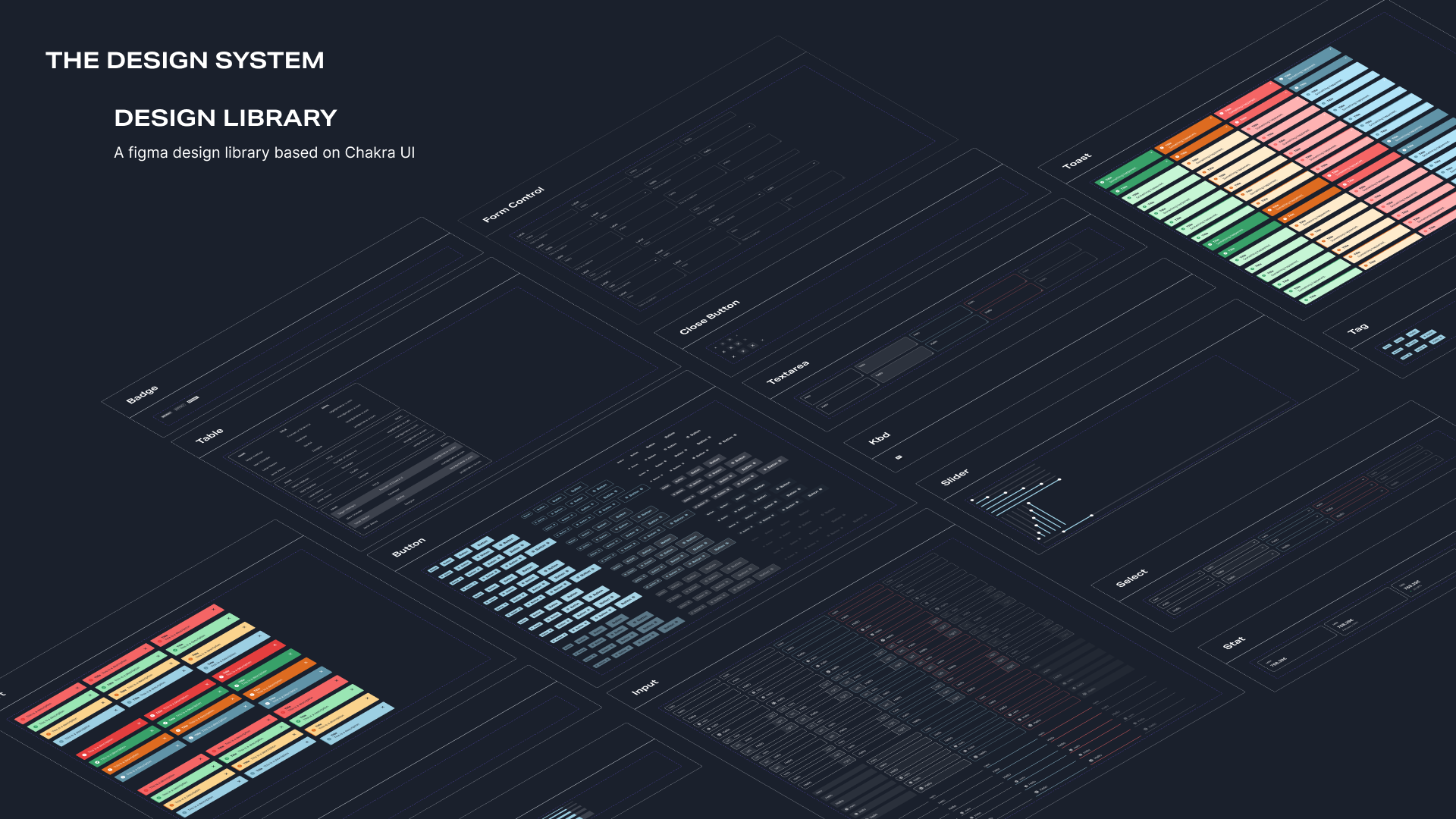
Scrappy MUI-Based Design System
The tension
I was the sole designer on the project.
Timeline was tight.
Engineering needed consistency fast.
The choice
We built a lightweight, scrappy system on top of Material UI:
Customized components for medical context
Defined spacing, hierarchy, density rules
Created interaction patterns for video-heavy environments
It wasn’t brand-polished.
It was interaction-stable.
The tradeoff
We sacrificed:
Visual uniqueness
Heavy branding
Pixel-perfection early on
In exchange, we gained:
Speed
Engineering alignment
Predictable component behaviour
What Shipped & Why It Matters
What Shipped
Delivered the first production version of IlluminatOR — a surgical video review and analysis platform tailored to clinical quality improvement workflows.
Core capabilities included high-fidelity surgical video playback, event timeline scrubbing, manual annotation, and structured review sequences.
Built and deployed a functional MVP that clinicians could actually use in live settings.
Why It Matters
This isn’t just a feature list — it’s about impact:
Grounded Design Learning in Reality — By shipping early and observing real clinician workflows, the team shifted from hypothetical use cases to evidence-based product evolution. This directly informed roadmap prioritization and reduced the risk of designing superfluous features.
Enabled Structured Surgical Review — IlluminatOR replaced ad-hoc video analysis with a repeatable, structured workflow, improving consistency and clarity in post-operative assessment.
Validated Product-Market Fit Signals — Qualitative signals of adoption from clinical users provided confidence for continued investment and deeper development, demonstrating that the tool met a real operational need rather than just a theoretical one.
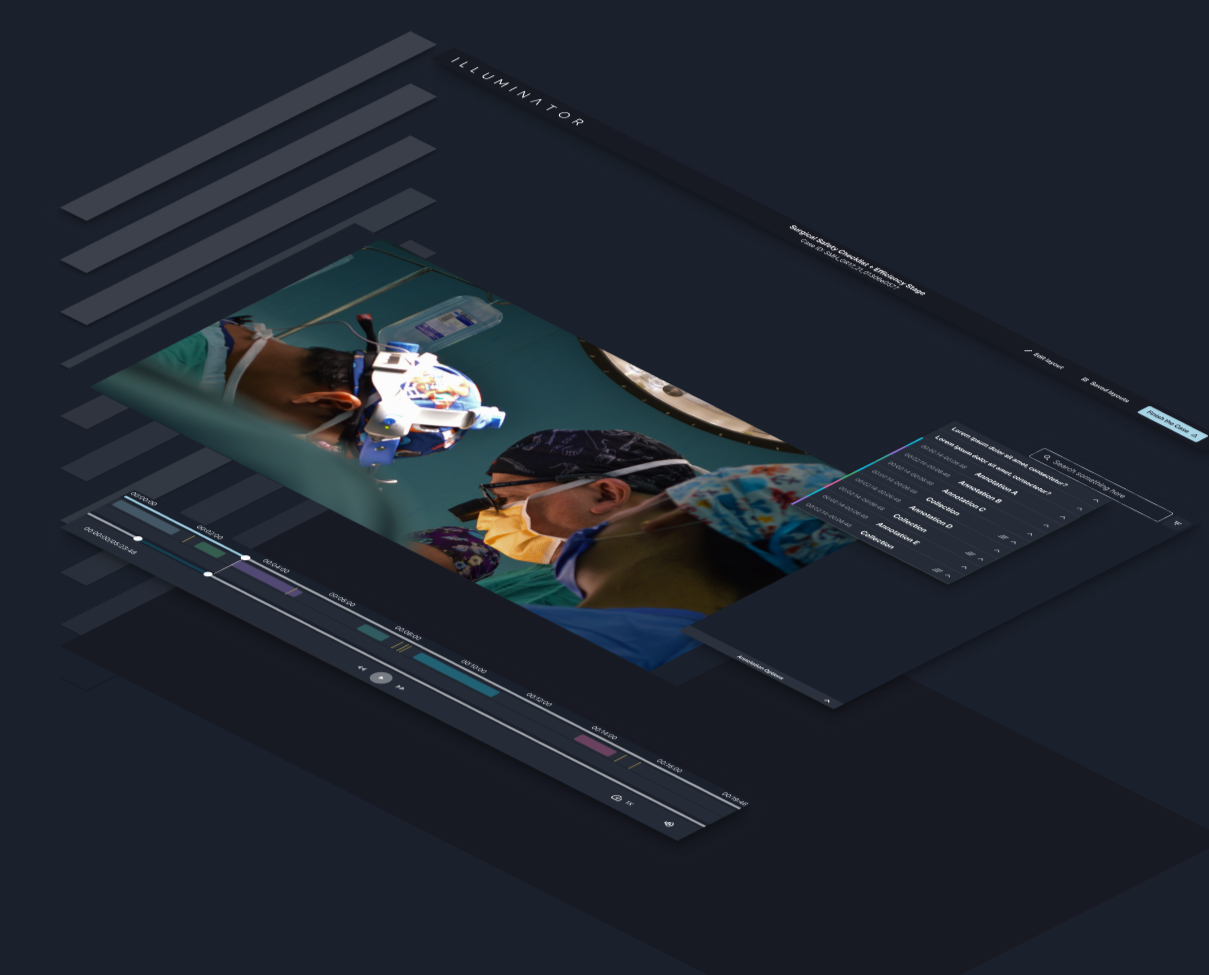
Building on top of IlluminatOR
Beyond internal adoption, IlluminatOR became a strategic product pillar — evolving into one of the flagship solutions in SST’s trauma and surgical quality portfolio and contributing to the platform now featured on the Surgical Safety Technologies solutions page.